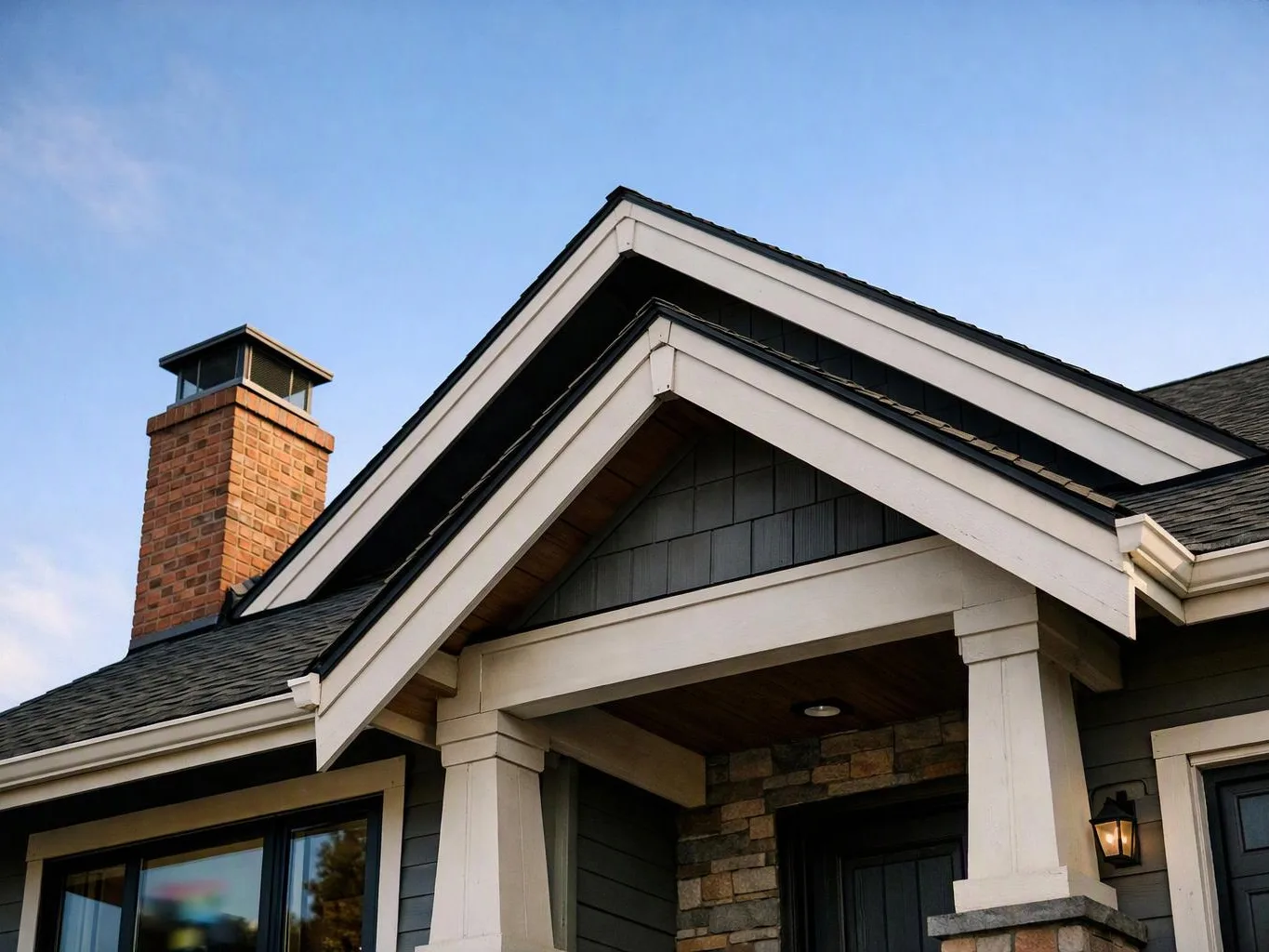
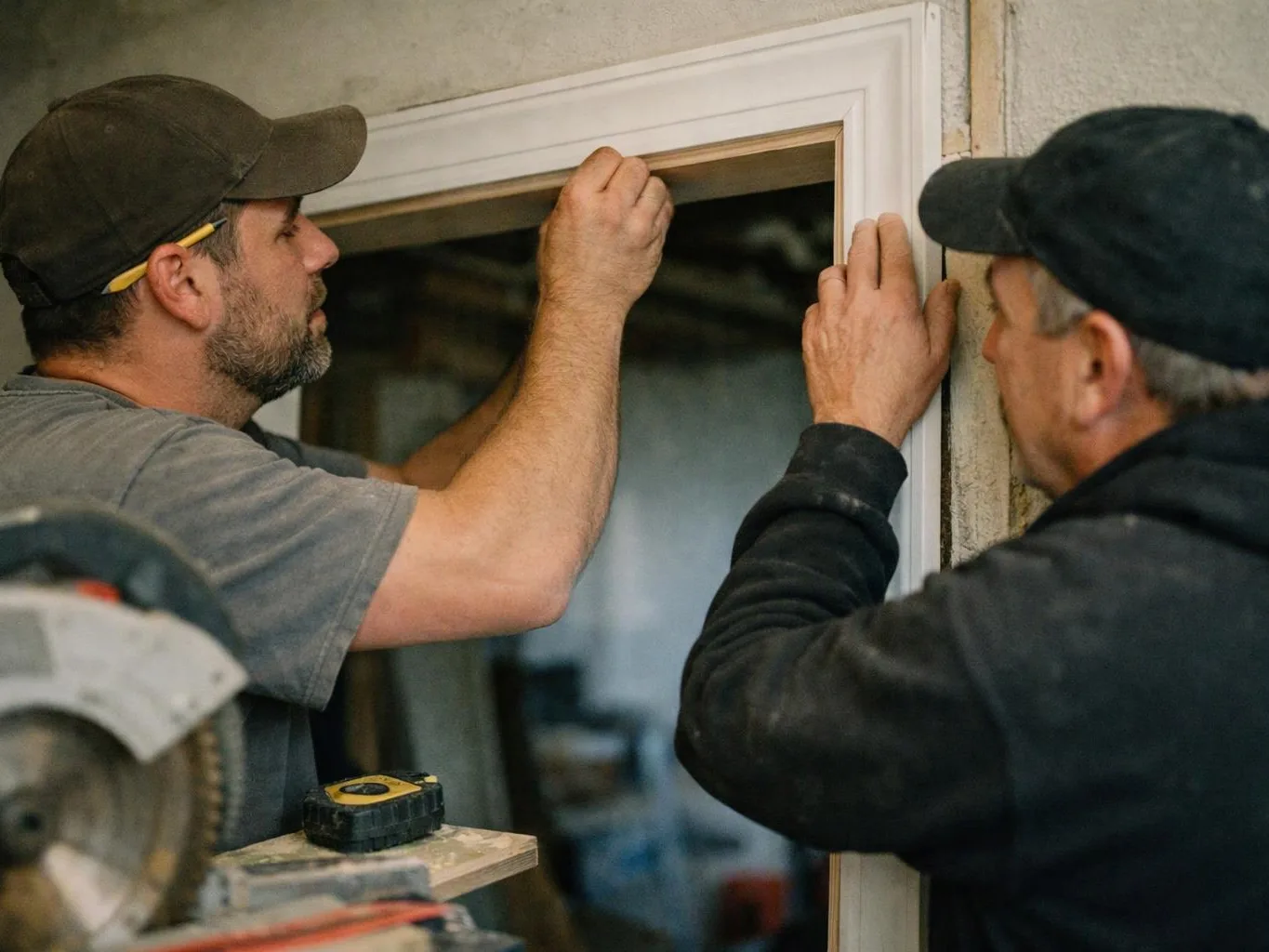
What causes gaps in baseboards and crown molding for Trim Carpentry?
Poor measurements cause gaps when trim lengths or angles do not match the room. Uneven walls, wall movement, warped boards, and improper fastening can also open joints. We inspect the trim and the surface behind it, then choose adjustment or replacement based on the cause. Filling a gap without checking the fit can leave the same problem in place.
Who installs baseboards and crown molding for a remodel?
HomeRemodelBellevue.info installs baseboards, crown molding, casing, and related finish trim. Our work fits focused room updates and larger remodeling projects. We coordinate trim with flooring, cabinetry, painting, and other finish details when those parts meet the same edge. You can request an estimate for the trim work and explain any connected room changes.
How do you know whether trim needs replacement?
Trim needs replacement when the board is warped, badly cut, damaged, or too short for the finished surface. Adjustment may fit when the piece remains sound and the gap has a limited cause. We check the board, wall line, corners, and fasteners before setting the work scope. That review keeps the decision tied to the actual condition.
Which parts of trim carpentry change the estimate?
The estimate changes with the amount of trim, the number of joints, and the need for replacement or adjustment. Connected flooring, wall repair, cabinetry, and painting can also add work. We review those interfaces before providing a free estimate. The written scope should show which trim pieces and related finish tasks are included.
When is trim carpentry the wrong service for a gap?
Trim carpentry is the wrong first step when active water damage, major wall movement, or structural repair causes the gap. Those conditions need attention before new trim can hold a reliable line. We check the surrounding surface and explain the needed work. Trim installation follows once the wall, floor, or opening is ready.
Why do gaps return after trim has been installed?
Gaps return when the underlying wall movement, warped board, poor measurement, or loose fastening remains. Caulk can hide a small joint, but it cannot correct a board that does not fit the room. We inspect the original cause and the fasteners before recommending another adjustment. The next step should address the source, not only the visible line.
What should I prepare before requesting a trim estimate for Trim Carpentry?
Photos of the gaps, room measurements, and notes about recent flooring or wall changes help frame the estimate. Keep the affected wall and nearby corners visible so the trim condition can be reviewed. We also need to know whether the work connects to a kitchen, bathroom, flooring, painting, or larger remodel. That context helps define the right scope.